RESEARCH IN PRACTICE

Ideas, turned into
working tools.

Scientific agents, open research software, and learning methods built around real materials questions.

14 projects

Ganjiang (干将)
agents

Ganjiang (干将)

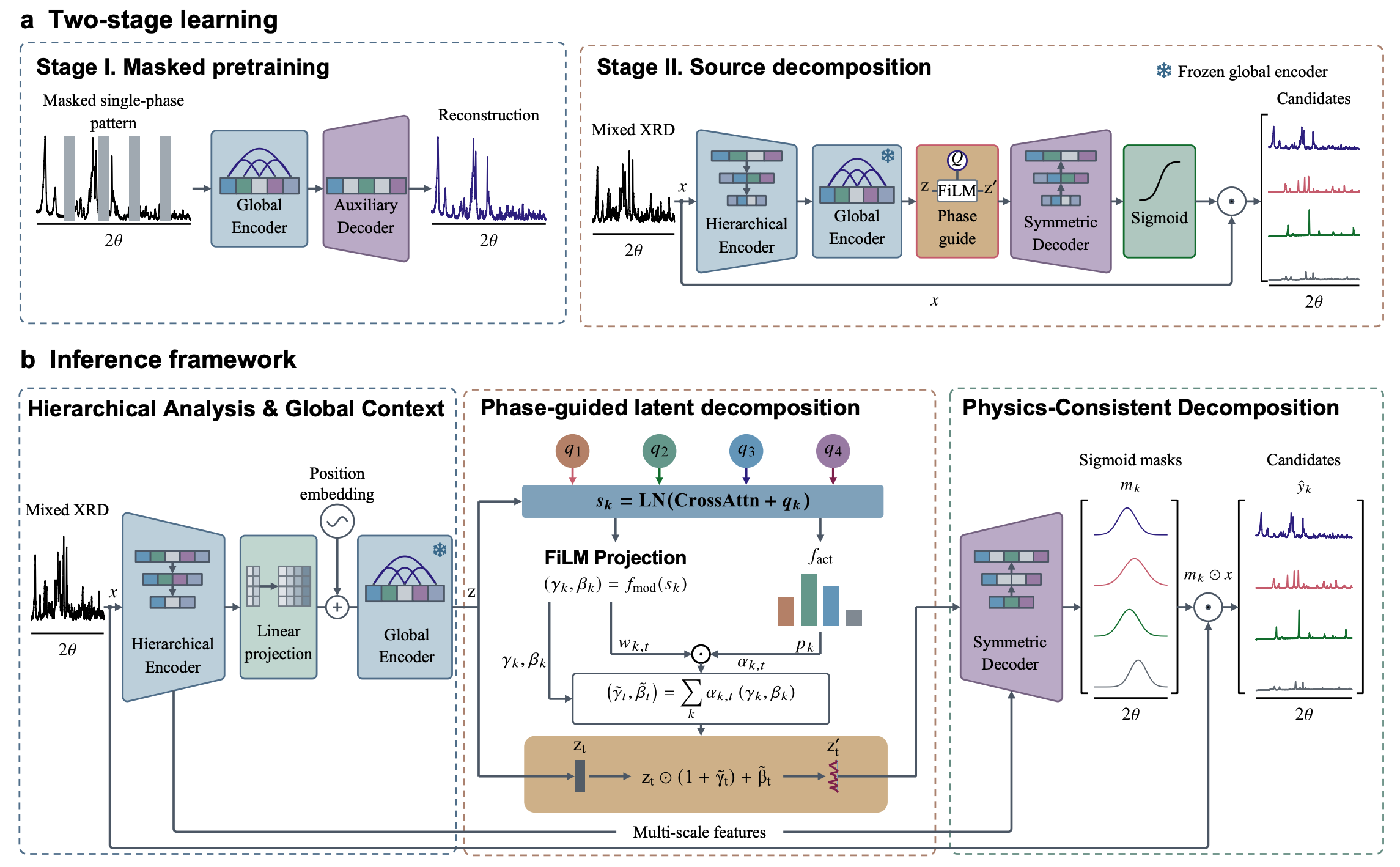
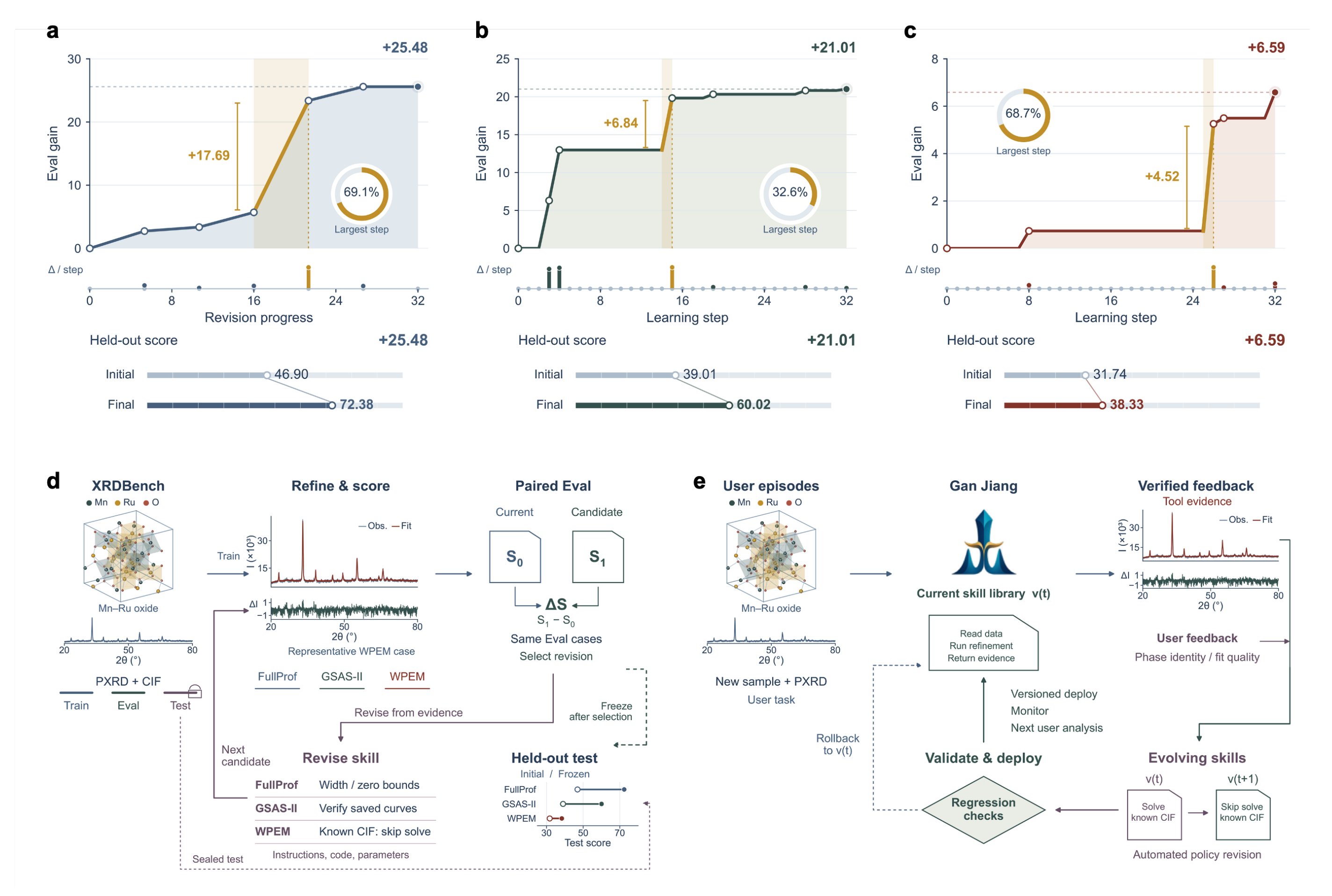
Ganjiang connects phase identification, mixture decomposition, and structure refinement in one scientific agent. Built on XMatcher, XQueryer, XDecomposer, and WPEM, it uses physical evidence to evaluate results and develops reusable analytical skills from validated experience. I led the development of this project.

BaiZe (白泽)
agents

BaiZe (白泽)

BaiZe turns materials research questions into traceable workflows, connecting literature discovery and evidence synthesis with hypothesis generation, experimental design, and scientific writing. Its open-source, local-first workspace keeps research notes, protocols, and manuscripts together so that each project can build on its accumulated knowledge.

Xchange
tools

Xchange

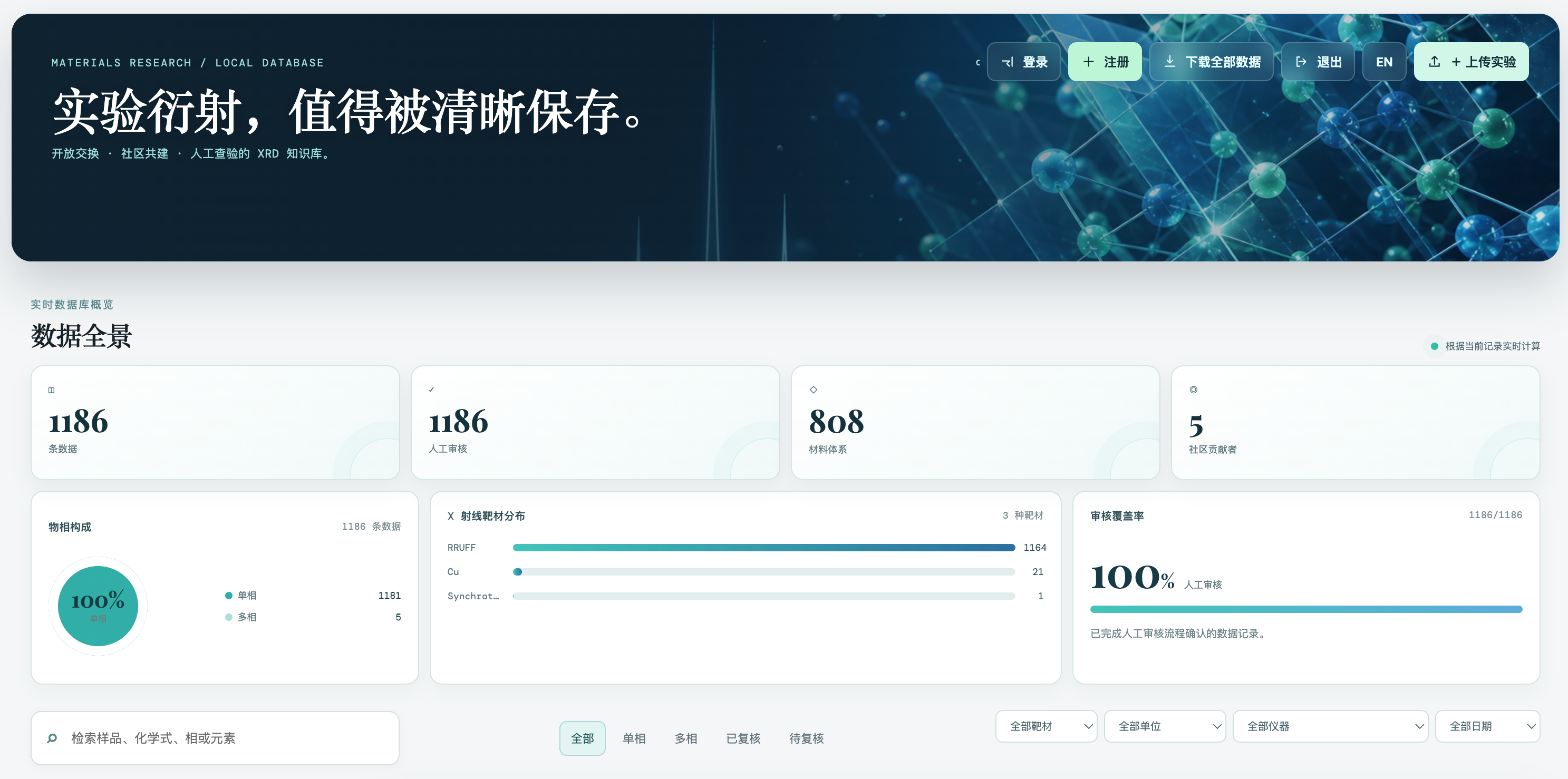
Xchange is an open database of experimental powder X-ray diffraction patterns with human review. It connects real measurements with community curation, providing a shared resource for diffraction research and method development.

PlotEverything
tools

PlotEverything

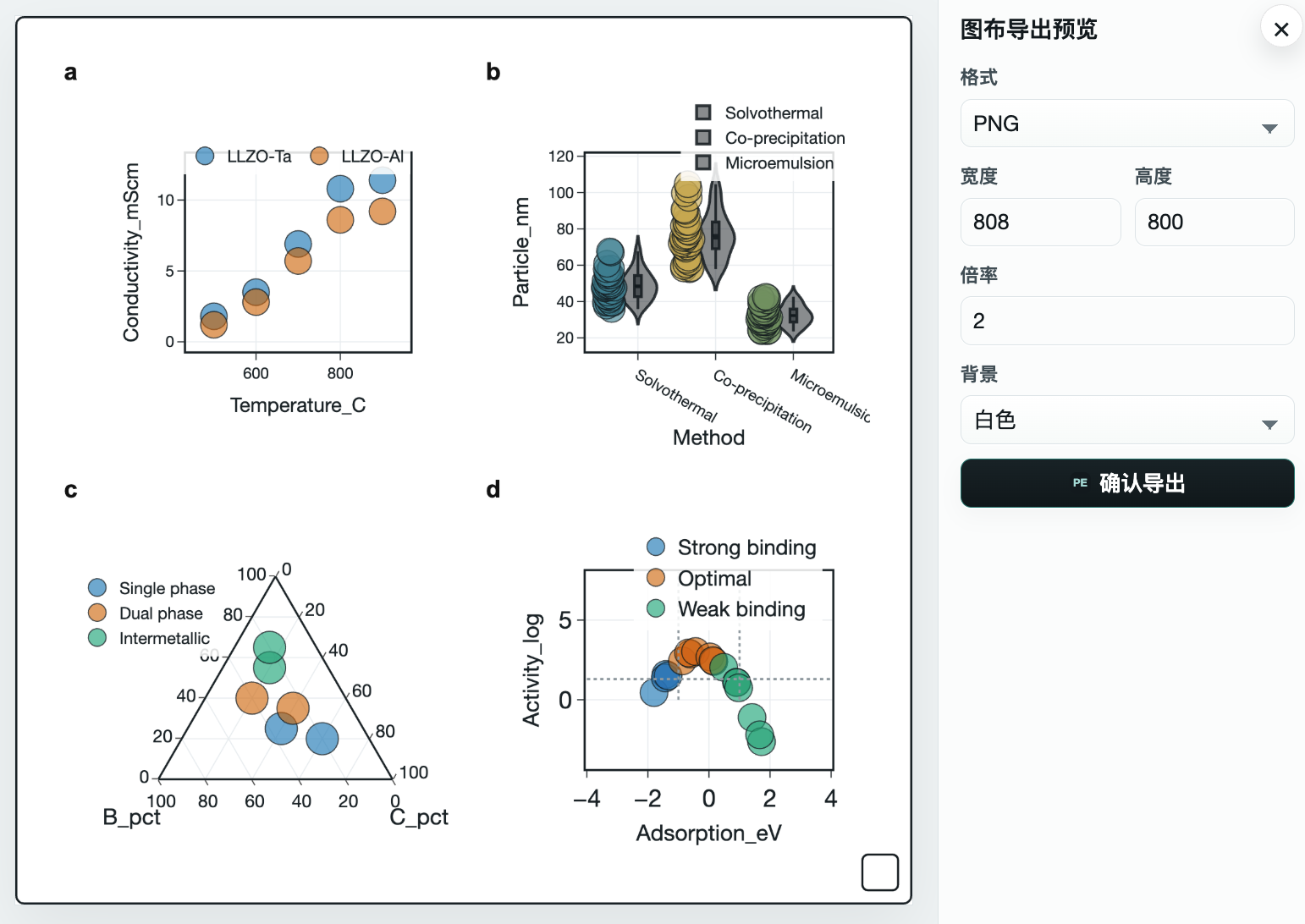
PlotEverything brings data visualization, crystal structures, and simulated XRD patterns into one scientific figure workspace. Researchers can turn spreadsheet data into publication-ready plots, compose multipanel figures, and export finished graphics without writing code.

XMatcher
tools

XMatcher

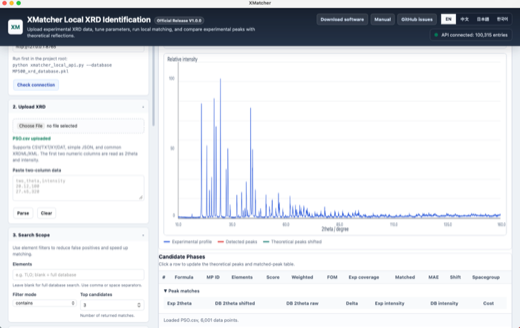
XMatcher makes diffraction search and matching transparent and reproducible. It combines searchable crystal-structure databases, fast candidate retrieval, and interactive peak-level evidence to help researchers evaluate phase assignments in experimental XRD patterns.

TabularLab
tools

TabularLab

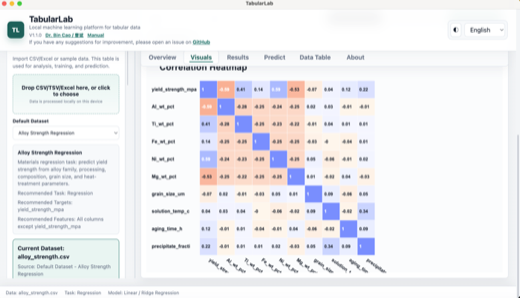
TabularLab brings regression, classification, clustering, and visualization into an accessible desktop and browser workspace. It connects model building with prediction and result export, making tabular machine learning easier to use in everyday research.

XQueryer
tools

XQueryer

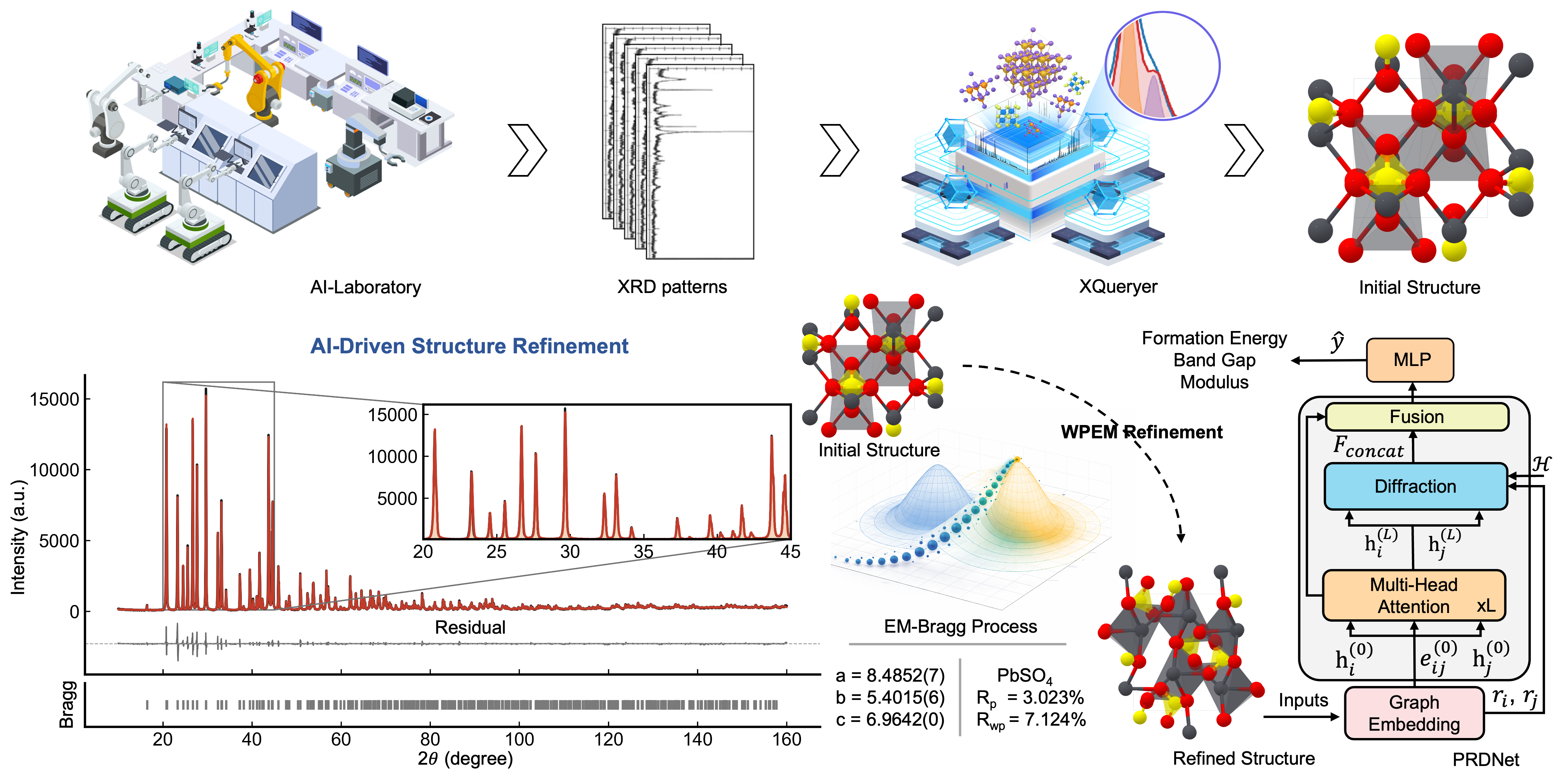
The XQueryer web platform brings high-throughput diffraction simulation, single- and multiphase identification, and pattern refinement into a connected analysis workflow. It makes the underlying research methods accessible through an online interface for crystal analysis.

WPEM
methods

WPEM

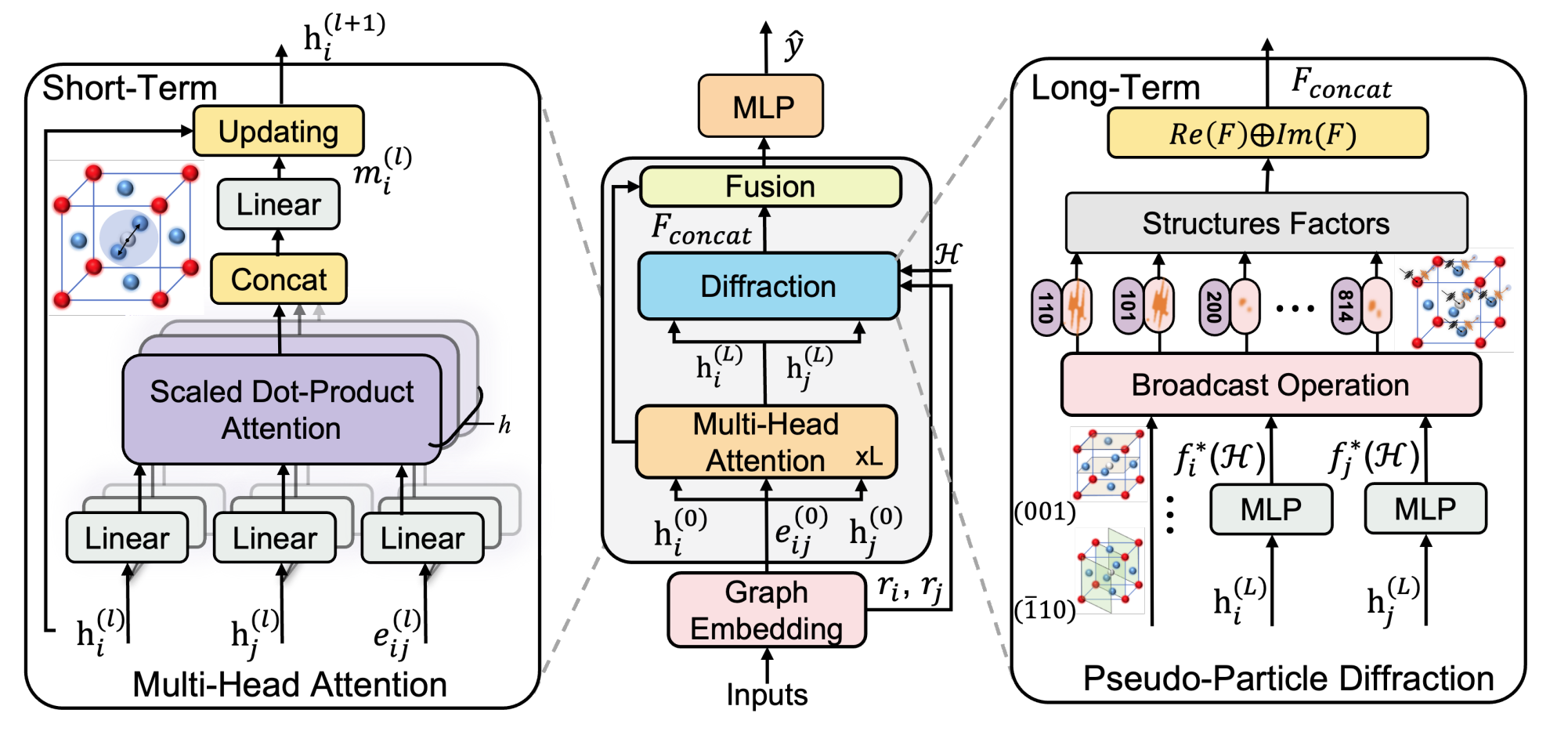
WPEM connects probabilistic modeling with Bragg’s law to refine diffraction patterns under physical constraints, including overlapping peaks and mixed phases.

CGWGAN
methods

CGWGAN

CGWGAN explores symmetry-aware crystal generation through Wyckoff-based representations, connecting compact descriptions of crystals with generative models.

TrAdaBoost
methods

TrAdaBoost

TrAdaBoost is an open-source teaching project that makes transfer learning easier to explore through simple models and reproducible examples.

TCGPR
methods

TCGPR

TCGPR studies data consistency through kernel-based Gaussian process modeling, supporting pattern recognition and outlier identification in small materials datasets.